
The Complete Guide to Aadhaar Masking Software: Everything Businesses Need to Know

Every Aadhaar document contains sensitive personal information but does every workflow need to expose the full Aadhaar number? As businesses embrace digital onboarding and eKYC, protecting identity data is just as important as verifying it. Aadhaar masking software uses AI Aadhaar masking to automatically perform Aadhaar number masking, concealing the first eight digits while displaying only the last four. This helps organizations enhance Aadhaar privacy protection, support UIDAI compliant Aadhaar masking, and streamline secure document processing across high-volume workflows.
In this guide, you'll learn what Aadhaar masking software is, how AI Aadhaar masking works, its key benefits, essential features, industry use cases, best practices for Aadhaar privacy protection, and how to choose a UIDAI compliant Aadhaar masking solution for your business.
What is Aadhaar Masking Software?
Aadhaar masking software is an AI-powered document processing solution that automatically detects Aadhaar numbers in scanned documents, PDFs, digital images, and mobile captures and performs Aadhaar number masking by hiding the first eight digits while displaying only the last four digits.
Unlike manual editing tools, modern AI Aadhaar masking solutions intelligently recognize Aadhaar information across different document formats, layouts, and image qualities. They automate the masking process while preserving the remaining identity details needed for verification.
Why Do Businesses Need Aadhaar Masking Software?
Every organization handling Aadhaar documents is responsible for safeguarding customer identity information throughout its lifecycle.
Without automated Aadhaar number masking, businesses often face:
- *Time-consuming manual editing
- *Inconsistent masking results
- *Increased operational costs
- *Human errors
- *Accidental exposure of Aadhaar numbers
Implementing Aadhaar masking software helps organizations automate document privacy while improving processing efficiency and reducing manual intervention.
As digital onboarding volumes continue to grow, Aadhaar privacy protection has become an operational necessity rather than an optional feature.
What is UIDAI Compliant Aadhaar Masking?
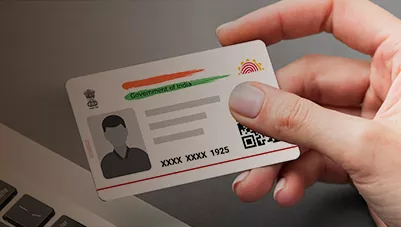
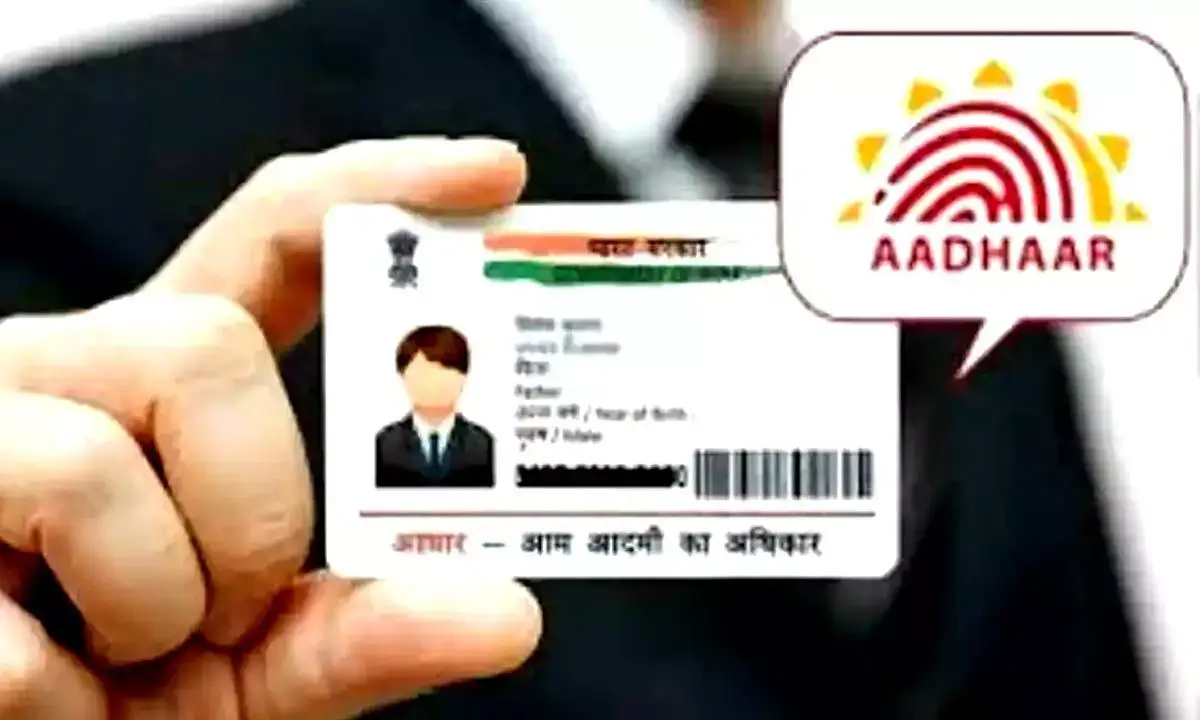
UIDAI compliant Aadhaar masking refers to the practice of displaying only the last four digits of an Aadhaar number while concealing the first eight digits whenever the full number is not required for business operations.
A masked Aadhaar document typically contains:
- *Customer Name
- *Photograph
- *Address
- *Date of Birth
- *QR Code
This enables organizations to verify customer identity while minimizing unnecessary exposure of personal information and supporting privacy-focused document processing.
India's Digital Personal Data Protection(dpdp) Act emphasizes responsible handling of personal information.Discover how Aadhaar masking contributes to privacy-focused document processing and compliance strategies.
How Does AI Aadhaar Masking Work?
Modern AI Aadhaar masking combines Optical Character Recognition (OCR), Artificial Intelligence, Computer Vision, and Intelligent Document Processing to automate the masking process.
Step 1: Document Upload
Users upload:
- *Aadhaar PDF
- *Mobile photo
- *Scanned Aadhaar copy
- *Camera image
- *Multi-page document
Step 2: OCR-Based Text Extraction
The software extracts all visible text from the document using AI-powered OCR.
It identifies information such as:
- *Aadhaar Number
- *Name
- *Address
- *Date of Birth
- *Gender
- *QR Code data
Step 3: Aadhaar Number Detection
AI algorithms accurately detect Aadhaar numbers even in:
- *Low-resolution scans
- *Rotated documents
- *Blurred images
- *Shadowed photographs
- *Skewed documents
Step 4: Automatic Aadhaar Number Masking
Once identified, the software performs Aadhaar number masking by replacing the first eight digits with "XXXX" while preserving the last four digits.
Step 5: Secure Export
The masked document is generated in formats such as: PDF,JPG,PNG,TIFF
Can be securely integrated into enterprise workflows.
Aadhaar documents come in multiple formats, including PDFs, scanned copies, and mobile photos. Learn how AI-powered masking accurately protects Aadhaar numbers regardless of document type.
Technologies Behind AI Aadhaar Masking
Advanced AI Aadhaar masking solutions use multiple intelligent technologies, including:
Optical Character Recognition (OCR)
Extracts text from scanned Aadhaar cards and images with high accuracy.
Artificial Intelligence
Identifies Aadhaar numbers across varying document layouts without relying on fixed templates.
Computer Vision
Recognizes document structures and text regions even in challenging image conditions.
Who Needs Aadhaar Masking Software?
Organizations across industries rely on Aadhaar masking software to strengthen Aadhaar privacy protection and streamline secure document processing.
Banking
Banks use AI-powered masking during:
Banks use Aadhaar masking during **digital account opening, loan applications, Video KYC, customer onboarding, and document archival** to protect sensitive identity information while ensuring secure document processing.
NBFCs
NBFCs use Aadhaar masking while processing personal loans, gold loans, consumer finance, and vehicle financing to protect sensitive customer identity information throughout the lending process.
Fintech
Fintech companies integrate Aadhaar masking into digital lending, wallet onboarding, investment platforms, and neo banking applications to protect customer identity information and enable secure digital onboarding.
Insurance
Insurance providers protect Aadhaar information during policy issuance and claims processing.
Healthcare
Hospitals and healthcare organizations use masking to safeguard patient identity documents.
Government Services
Government agencies handling citizen records benefit from automated Aadhaar privacy protection while maintaining document accessibility.
nsurance providers process Aadhaar documents during policy issuance and claims settlement. Discover how automated masking protects customer identity while streamlining insurance workflows.
Hospitals and healthcare providers frequently collect Aadhaar documents during patient registration. Learn how Aadhaar masking helps secure patient identity information while improving document privacy.
Key Features to Look for in Aadhaar Masking Software
When selecting an enterprise-grade solution, businesses should evaluate:
When selecting Aadhaar masking software, look for features such as AI-powered OCR, intelligent Aadhaar number detection, automatic Aadhaar number masking, high extraction accuracy, batch document processing, API integration, SDK availability, cloud and on-premises deployment, secure document handling, audit logging, enterprise scalability, and multi-format document support.
Common Challenges Without AI Aadhaar Masking
Organizations that rely on manual masking frequently experience:
Organizations that rely on manual Aadhaar masking often face slow document processing, inconsistent masking, human errors, increased administrative effort, accidental exposure of Aadhaar information, higher operational expenses, and difficulty scaling document workflows.
Implementing AI Aadhaar masking significantly reduces these challenges while improving operational efficiency.
Manual redaction often results in inconsistent masking, delays, and human errors. Compare traditional redaction methods with AI-powered Aadhaar masking to understand why automation is the preferred choice.
If you're planning to automate Aadhaar masking within your existing onboarding, KYC, or document management systems, understanding API integration is essential. Learn how developers can seamlessly integrate Aadhaar masking into enterprise workflows.
Choosing the right solution requires evaluating AI accuracy, OCR performance, API support, deployment flexibility, and enterprise security. Explore the must-have features before selecting Aadhaar masking software.
Best Practices for Aadhaar Privacy Protection
To maximize the effectiveness of Aadhaar masking software, businesses should:
To maximize Aadhaar privacy protection, organizations should automate Aadhaar number masking across all customer onboarding workflows, integrate AI-powered masking into KYC and document management systems, protect documents through encrypted transmission and secure storage, restrict access using role-based permissions, conduct periodic audits to verify masking accuracy, retain only the identity information necessary for business purposes, and continuously update AI models to improve detection accuracy.
Even with masking processes in place, common implementation mistakes can expose sensitive information. Explore the most frequent Aadhaar masking errors and how to prevent compliance risks.
Conclusion
As digital identity verification becomes increasingly central to customer onboarding, implementing Aadhaar masking software is no longer just a technical enhancement—it is a business necessity. By automating Aadhaar number masking through advanced AI, OCR, and Intelligent Document Processing, organizations can strengthen Aadhaar privacy protection, improve operational efficiency, and build customer trust.
Choosing an AI Aadhaar masking solution that supports UIDAI compliant Aadhaar masking practices enables businesses to protect identity information while maintaining seamless verification workflows. Whether you are a bank, NBFC, fintech company, insurer, healthcare provider, or government organization, adopting intelligent Aadhaar masking technology is a future-ready investment in secure, scalable, and privacy-focused document processing.

Top Posts
- What is Aadhaar Masking Software?
- Why Do Businesses Need Aadhaar Masking Software?
- What is UIDAI Compliant Aadhaar Masking?
- How Does AI Aadhaar Masking Work?
- Technologies Behind AI Aadhaar Masking
- Who Needs Aadhaar Masking Software?
- Key Features to Look for in Aadhaar Masking Software
- Common Challenges Without AI Aadhaar Masking
- Best Practices for Aadhaar Privacy Protection
- Conclusion